


How can the variable frequency control range of a permanent magnet variable frequency air compressor meet the needs of different operating conditions?
Release Time : 2025-12-22
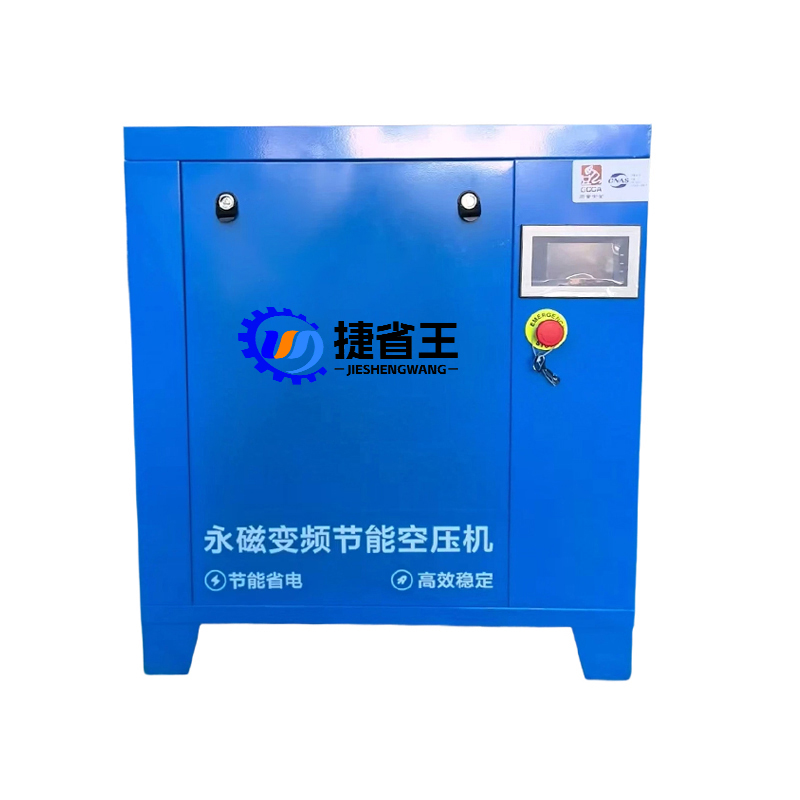
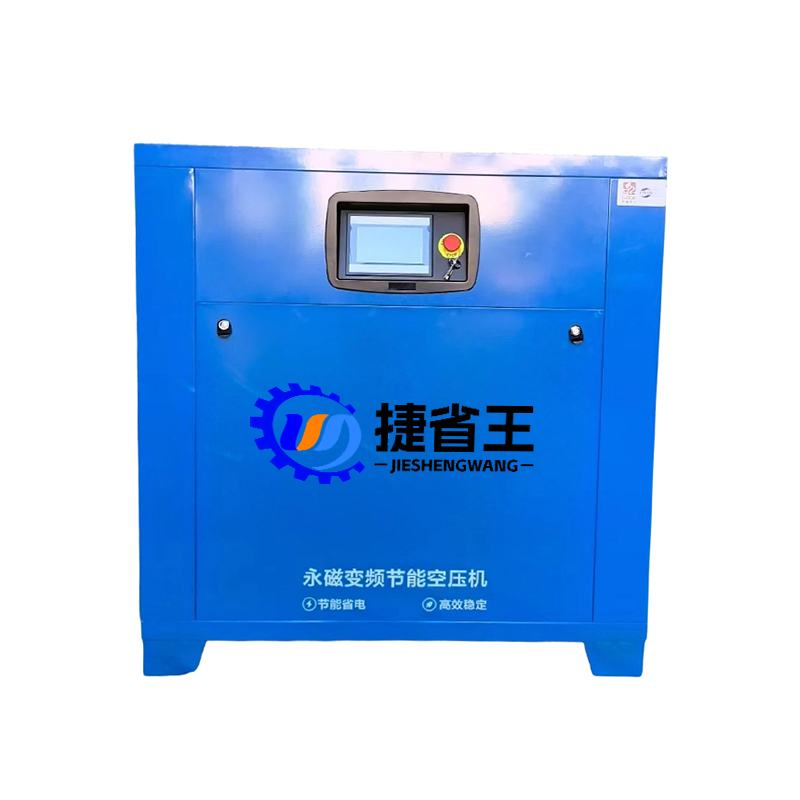
The permanent magnet variable frequency air compressor achieves dynamic adjustment of motor speed through variable frequency control technology. Its frequency range design directly determines the equipment's adaptability to different operating conditions. The core of this adjustment mechanism lies in the inverter's precise control of the motor's power supply frequency. By changing the motor speed, the compressor's discharge volume is adjusted to match actual air demand. Compared to the fixed-speed operation of traditional fixed-frequency air compressors, permanent magnet variable frequency models can respond to pressure fluctuations more flexibly, avoiding energy waste or production interruptions caused by excessive or insufficient air supply.
The advantages of the permanent magnet variable frequency air compressor are particularly prominent in scenarios with intermittent air demand. In industrial production, the demand for compressed air often fluctuates periodically with shifts, processes, or seasons. For example, automated production lines require instantaneous high-pressure air supply during equipment startup, while only maintaining basic pressure is needed during standby or low-load operation. Traditional air compressors, unable to adjust speed, can only cope with demand changes through frequent start-ups, shutdowns, or unloading. This not only exacerbates equipment wear but also consumes a large amount of electrical energy during idling in unloaded states. Permanent magnet variable frequency (PMF) air compressors can reduce exhaust volume by decreasing motor speed, maintaining stable system pressure while matching energy consumption and air production in real time, achieving "on-demand air supply."
For manufacturing processes with strict pressure tolerance requirements, the narrow-pressure operation capability of the PMF compressor provides crucial support. Certain precision machining processes (such as electronic component assembly and food packaging) are extremely sensitive to compressed air pressure stability; pressure fluctuations exceeding allowable ranges can lead to increased product defect rates. PMF compressors, through the inverter's PID control function, can control system pressure fluctuations within a very small range, ensuring that the output pressure always stays close to the set value. This precise control capability stems from the inverter's real-time acquisition and feedback of pressure signals, dynamically adjusting the motor speed to achieve a dynamic balance between compressor exhaust volume and air consumption.
In low-load operating scenarios, the energy-saving effect of the PMF compressor is even more apparent. When air consumption drops to a low percentage of the equipment's rated capacity, traditional air compressors, unable to reduce their speed, can only avoid excessive pressure by unloading or shutting down. However, the motor in the unloaded state still consumes approximately a certain percentage of its rated power. Permanent magnet variable frequency (PMV) compressors, on the other hand, can reduce motor speed to extremely low levels, maintaining system pressure while simultaneously reducing input power. For example, during low-demand periods such as nighttime or holidays, the equipment can automatically enter sleep mode, retaining only low-power operation of the control system. It is quickly awakened when air demand recovers, completely eliminating the energy waste of "overpowered power."
In multi-unit collaborative operation scenarios, the variable frequency range of the permanent magnet variable frequency air compressor expands the flexibility of system configuration. For large factories or centralized air supply systems, a single air compressor often cannot independently meet all air demand, requiring multiple units to operate in parallel to achieve capacity allocation. PMV compressors can form a hybrid air supply system with fixed-frequency air compressors, where the fixed-frequency compressor handles the base load, and the variable frequency compressor adjusts its output according to real-time air consumption, forming a complementary "fixed speed + variable speed" mode. This configuration not only improves the overall energy efficiency of the system but also buffers sudden changes in gas consumption through the rapid response capability of the variable frequency drive, reducing the start-stop frequency of the fixed frequency drive and extending the equipment's lifespan.
From a technical implementation perspective, the variable frequency range design of the permanent magnet variable frequency air compressor needs to balance motor performance and control precision. Because the rotor uses permanent magnets, the permanent magnet synchronous motor requires no additional excitation current and maintains high efficiency and a high power factor even at low speeds, providing a hardware foundation for a wide variable frequency range. The variable frequency drive, through vector control or direct torque control technology, ensures that the motor can still output sufficient torque when operating at low frequencies, avoiding surge or shutdown caused by excessively low speeds. Furthermore, the introduction of intelligent control algorithms allows the equipment to predict gas consumption trends based on historical operating data and adjust the speed in advance, further optimizing energy efficiency and response speed.
Through its wide variable frequency range design, the permanent magnet variable frequency air compressor achieves efficient adaptation to diverse operating conditions. Whether for intermittent air use, precise pressure control, low-load operation, or multi-unit coordination, its dynamic adjustment capabilities significantly improve energy efficiency, reduce operating costs, and ensure the stability of the production process. These technical characteristics make it an ideal choice for compressed air supply systems in modern industrial fields.